In the UK
The UK is required to reach net zero carbon emissions by 2050.
Both tree planting and peatland restoration have been suggested to increase the amount of carbon dioxide that UK landscapes absorb from the atmosphere and help meet the UK’s net zero target.
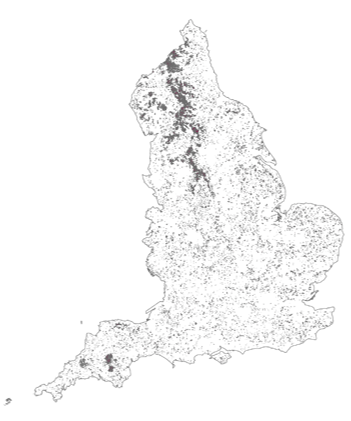
Under the DRUID project, we made maps of the predicted distribution of woodland creation and peatland restoration across England over time, from 2021-2051.
We then ran *4pop models to predict how these landscape changes might affect different species.
Our simulations predicted increases in woodland bird and amphibian abundance but decreases for farmland birds, reptiles and ground-nesting bees (Image et al. in prep).
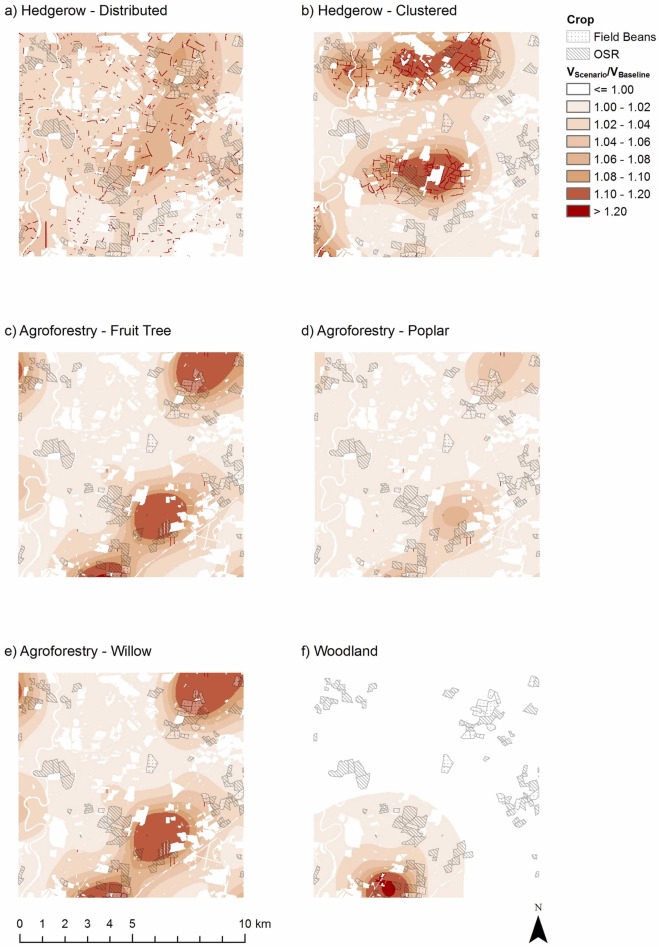
At farm level, we also investigated what the consequences might be if tree planting in agricultural landscapes took different forms.
We compared the effects of hedgerow creation, agroforestry and woodland creation on:
- ground-nesting bumblebee populations
- the ‘pollination services’ they provide for farmers’ crops
and published the findings in this paper.
Peatland rewetting can be dangerous for reptiles if rising water levels cause them to drown in their hibernacula.
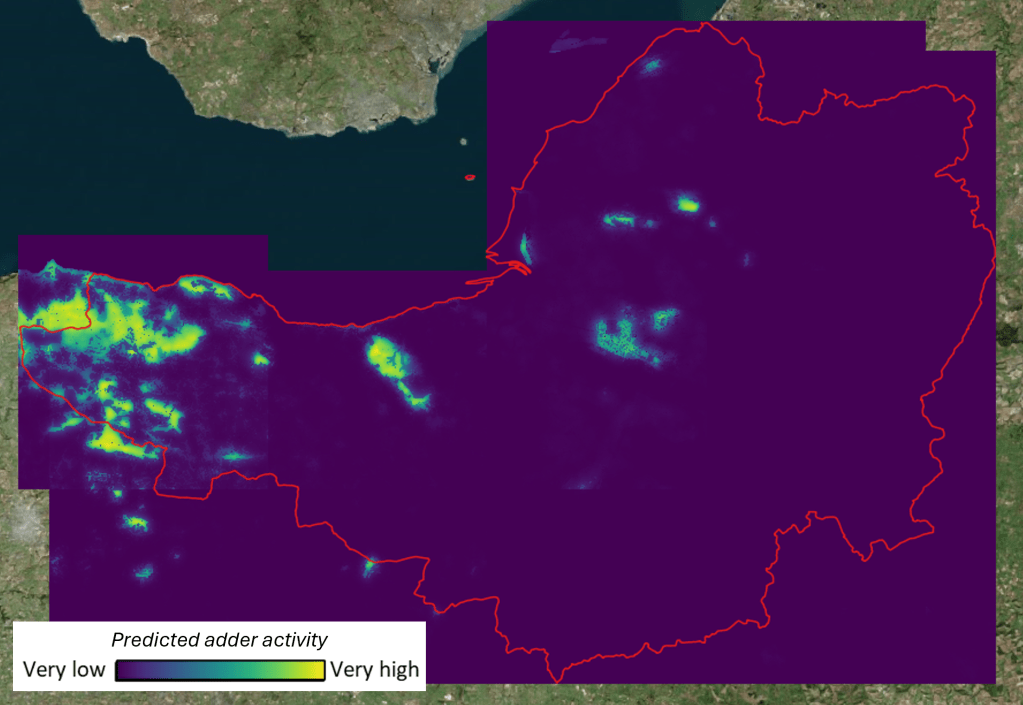
We ran a workshop with land managers to explore in more detail how rewetting activities in Somerset might affect adders.
The Reptile and Amphibian Group for Somerset (RAGS) presented their observations of the unique ecology of adders on the Somerset Levels, we presented add4pop model predictions for Somerset, and then artist and a-disciplinary researcher Ewan Allinson facilitated a discussion drawing parallels between:
- present-day flooding of adder homes for climate mitigation actions
- future flooding of human homes due to climate-driven sea level rise.
The workshop was coordinated by ARG UK and funded by NERC through our Dynamic Landscapes project. It concluded that the Local Adder Action Plan would be revised with input from RAGS volunteers, since both people and adders will need pathways to escape rising waters.
In Kenya
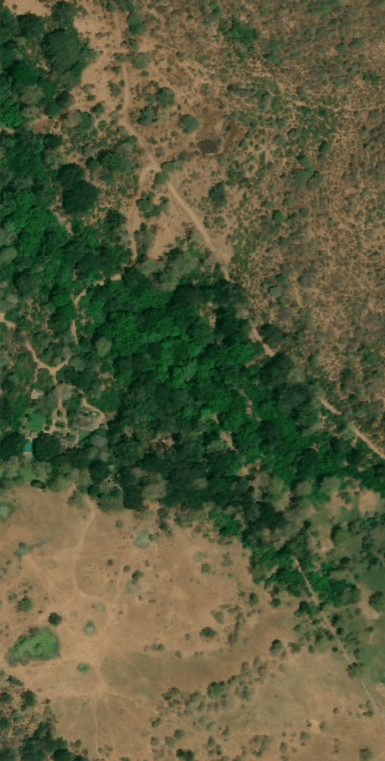
Kenya and other countries in Sub-Saharan Africa have also committed to large tree planting initiatives to try to mitigate climate change and its effects.
Increasing tree cover affects habitat resource availability for species, increasing habitat availability for tree-dependent species and decreasing it for open-habitat species.
This in turn affects the abundance, distributions and movements of animals, which may play an important role in the ecosystem, by pollinating plants or dispersing seeds.
As a result, planting more trees can have a big impact on the ecosystem by affecting these species interactions.
We have been exploring three key questions:
- What effect might tree planting have on existing tree species reliant on animals for their pollination and dispersal?
- Would planted tree species have access to the pollinators and dispersers they need to form self-sustaining populations?
- How might culturally important species and people-nature relationships be affected by tree planting?
The tree species we’ve been studying are:
- baobab, which is pollinated by fruit bats and dispersed by baboons
- mukau, which is pollinated by stingless bees and dispersed by kudu, giraffes and goats
Both grow naturally and mukau is also actively planted for timber.
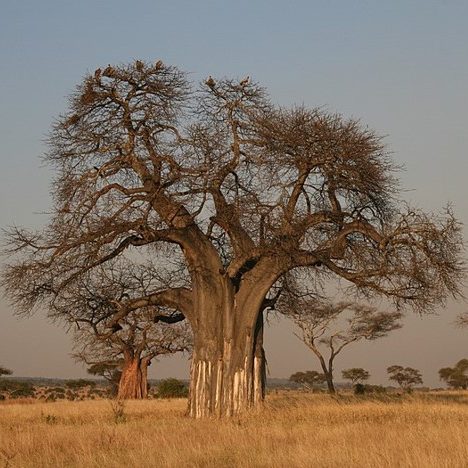
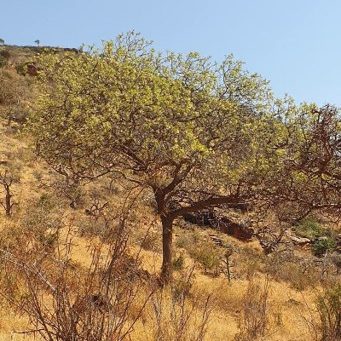
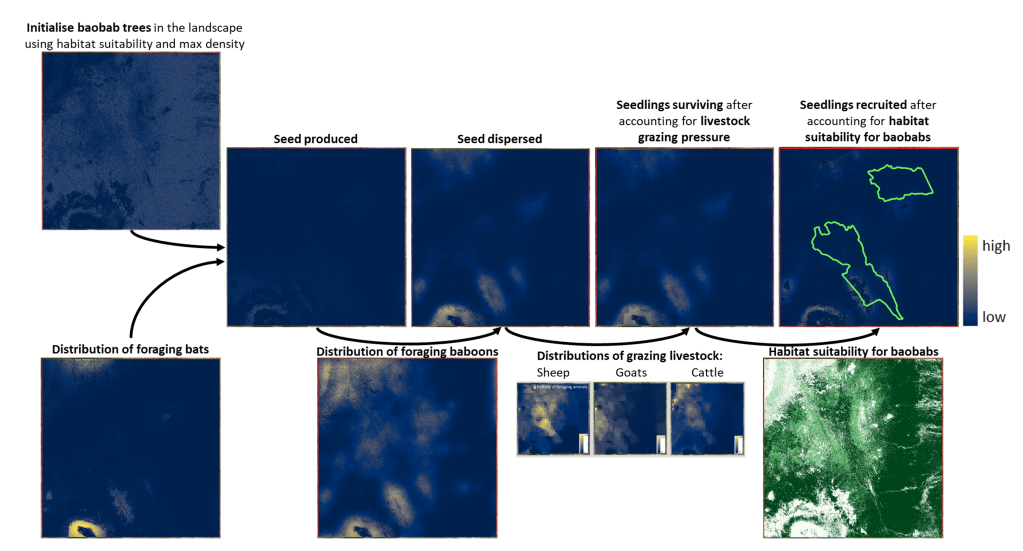
For both tree species, we’ve adapted the *4pop approach to estimate the distributions of their pollinators and dispersers.
This allows us to estimate:
- which trees might receive better pollination
- where their seeds might be dispersed to
- where new trees might establish
We have also been working with ECO2LIBRIUM to gather information on:
- which species are culturally important to communities in south-east Kenya and the reasons why
- how local communities observe species to be using the landscape to make sure models for these species are as realistic as possible
- any tree planting activities they’ve taken part in so we can make predictions for realistic amounts and types of tree planting
A huge thank you to the ECO2LIBRIUM team and all the communities who took part in the survey.
This work was funded by NERC through the National Capability for Global Challenges programme and we’ll be sharing the findings very soon, so please watch this space!
 *4pop models
