Below are a selection of publications, videos and podcasts featuring *4pop models, grouped by theme.
Easy-read articles
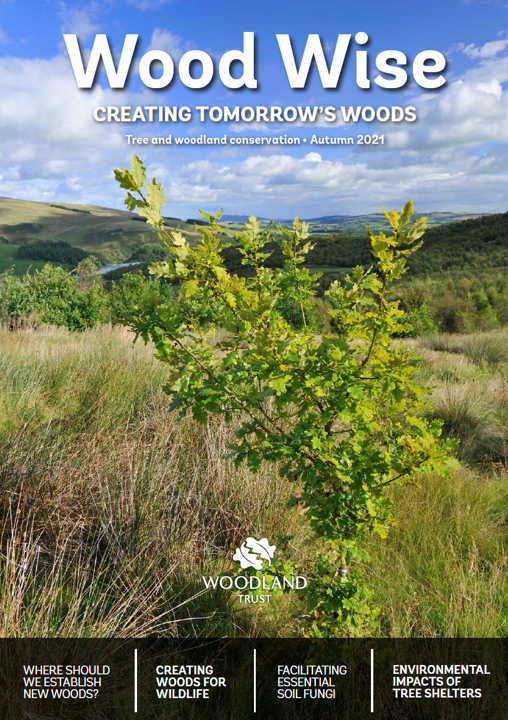
Woodland creation: taking a landscape-level perspective – this article about our research was published in the Woodland Trust’s Wood Wise magazine.
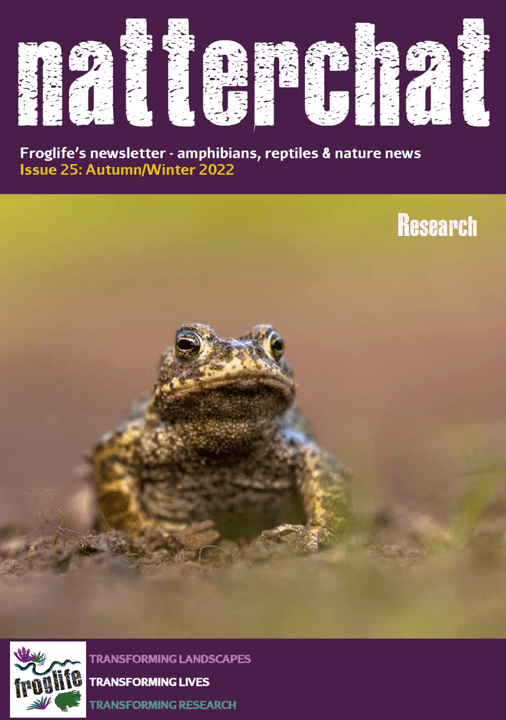
Modelling toads and lizards to predict consequences of landscape change – this article about our research was published in Froglife’s Natterchat magazine.
Model development
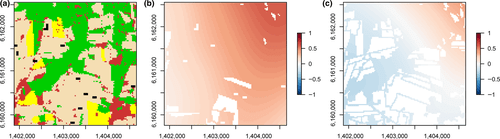
Pollinator population size and pollination ecosystem service responses to enhancing floral and nesting resources – this study first presents the version of the poll4pop model that was subsequently adapted for use in Great Britain.
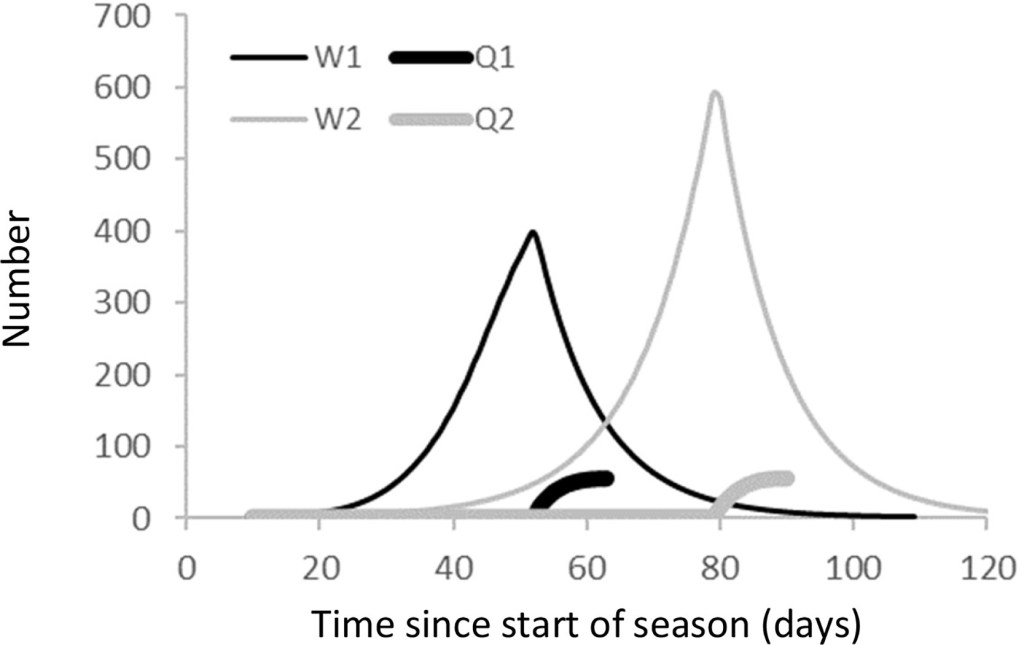
Consequences of intraspecific competition for floral resources in heterogeneous landscapes for eusocial bees – recent advancements beyond poll4pop exploring the effects of competition for floral resources on bumblebee colonies.
Comparing model predictions with species observations
Reliably predicting pollinator abundance: Challenges of calibrating process-based ecological models – this study presents the first parameterisation of the poll4pop model for use in Great Britain and compares its predictions to observed wild bee abundances.

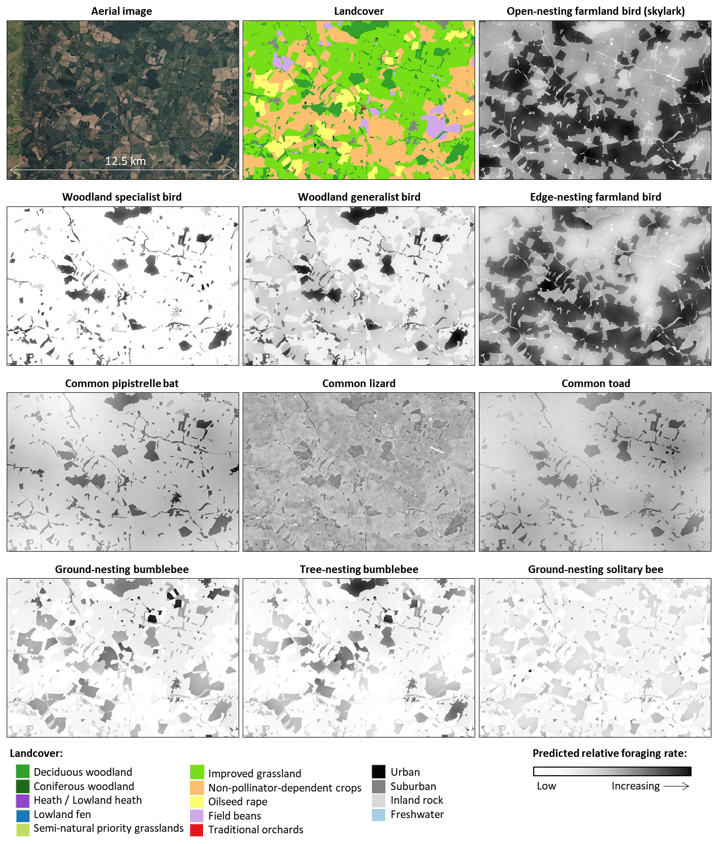
A family of process-based models to simulate landscape use by multiple taxa – this study presents the adaptation of the *4pop model framework to birds, bat, reptiles and amphibians and compares the models’ predictions to observed species abundances.
Assessing effectiveness of agri-envrionment schemes
Does agri-environment scheme participation in England increase pollinator populations and crop pollination services? – this first study modelled the impact of England’s previous agri-environment schemes on wild bee populations and the pollination services they provide.
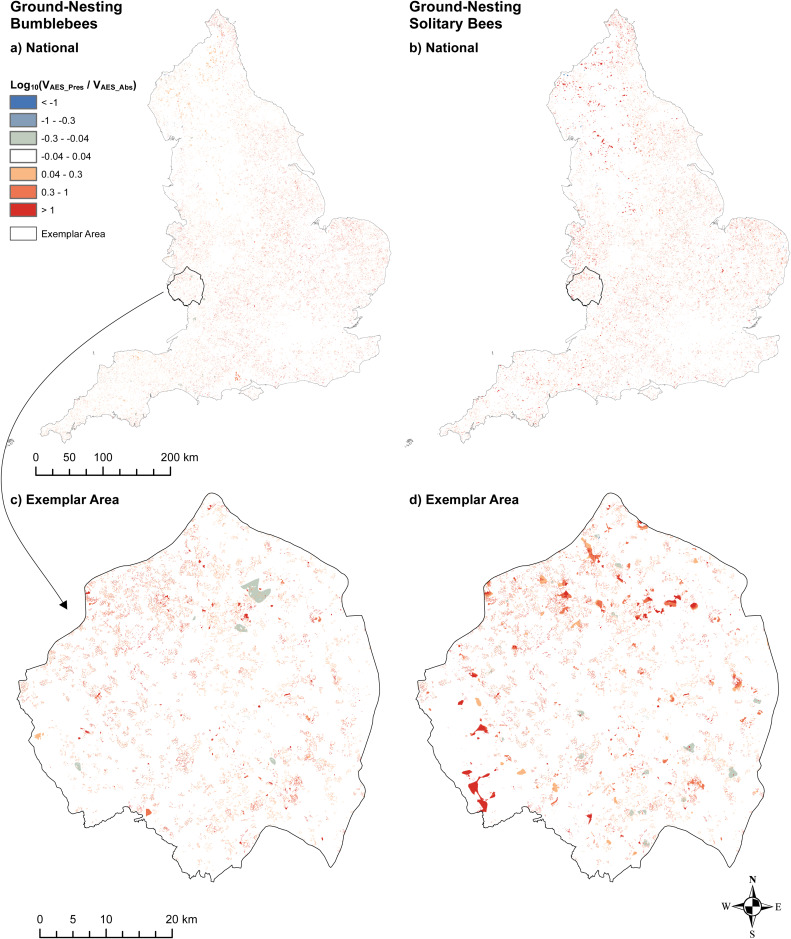
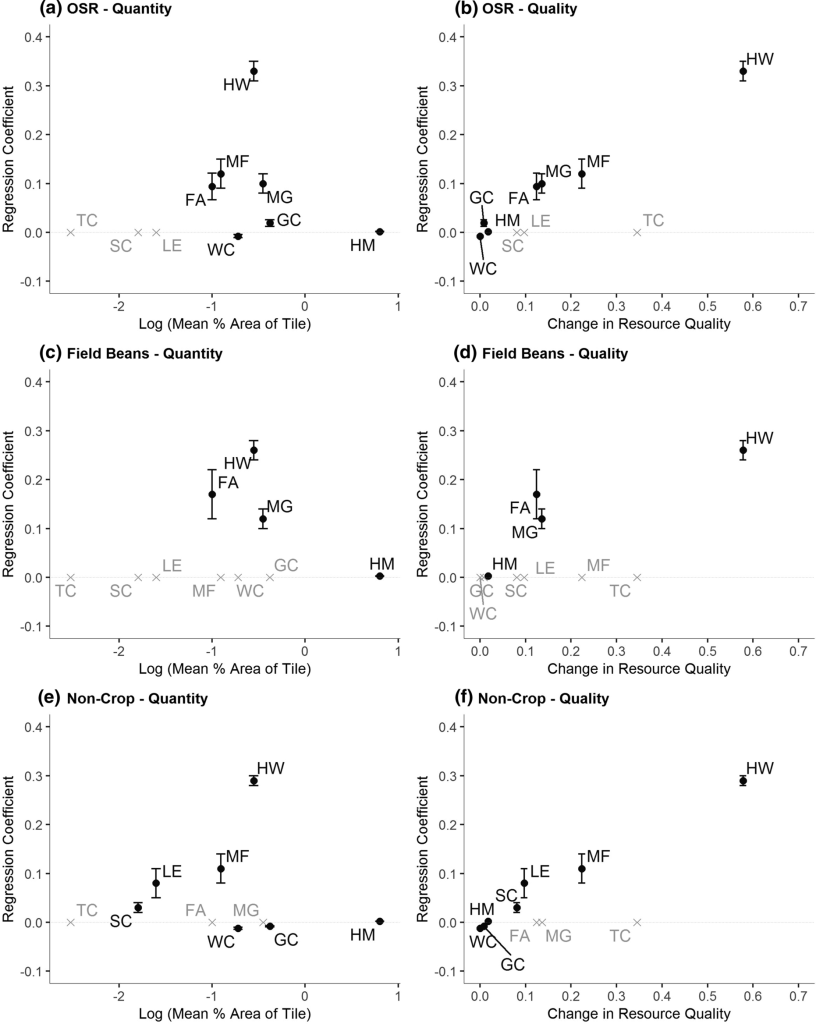
Which interventions contribute most to the net effect of England’s agri-environment schemes on pollination services? – this second study delved deeper into the simulation results to identify which agri-environment interventions are expected to have contributed most to the schemes’ overall effect on wild bee populations and the pollination services they provide.
Comparing consequences of different types of tree planting
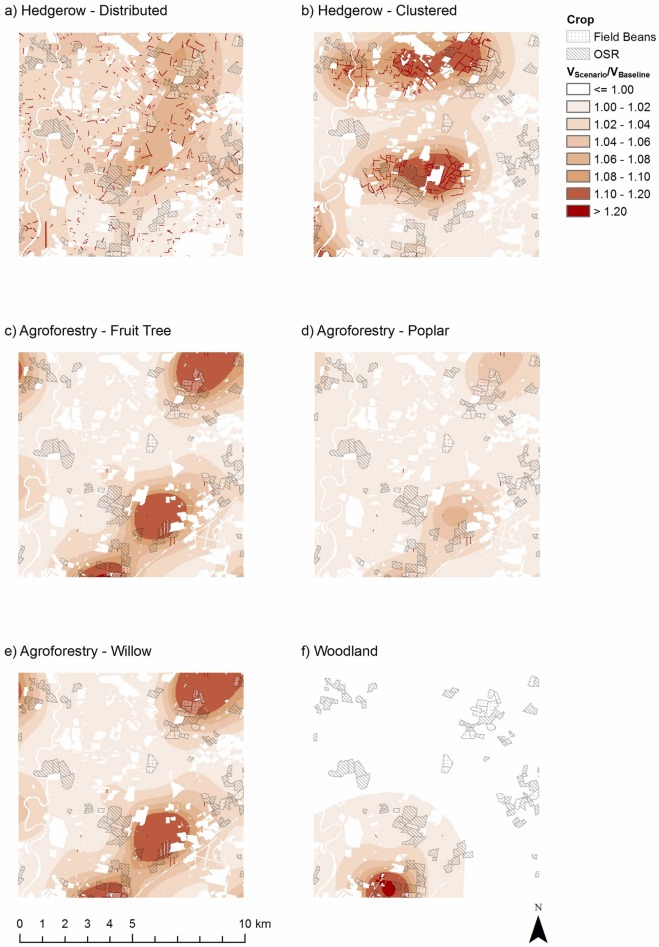
Co-benefits from tree planting in a typical English agricultural landscape: Comparing the relative effectiveness of hedgerows, agroforestry and woodland creation for improving crop pollination services – this study modelled the impact of different farmland tree-planting scenarios on bumblebee populations and the crop pollination services they provide.
Exploring resilience
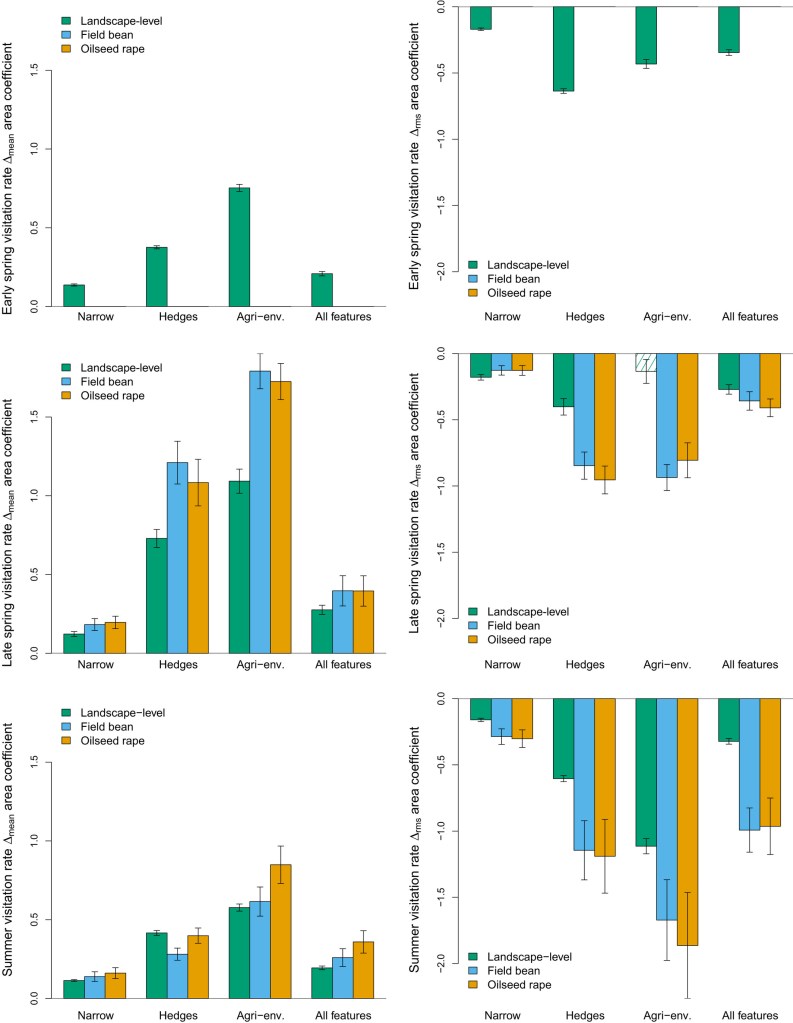
Field boundary features can stabilise bee populations and the pollination of mass-flowering crops in rotational systems – this study showed how field boundary features not only help to increase bee populations on farmland but can also help keep bee numbers and crop visitation rates more stable from year to year.
Balancing the needs of multiple species
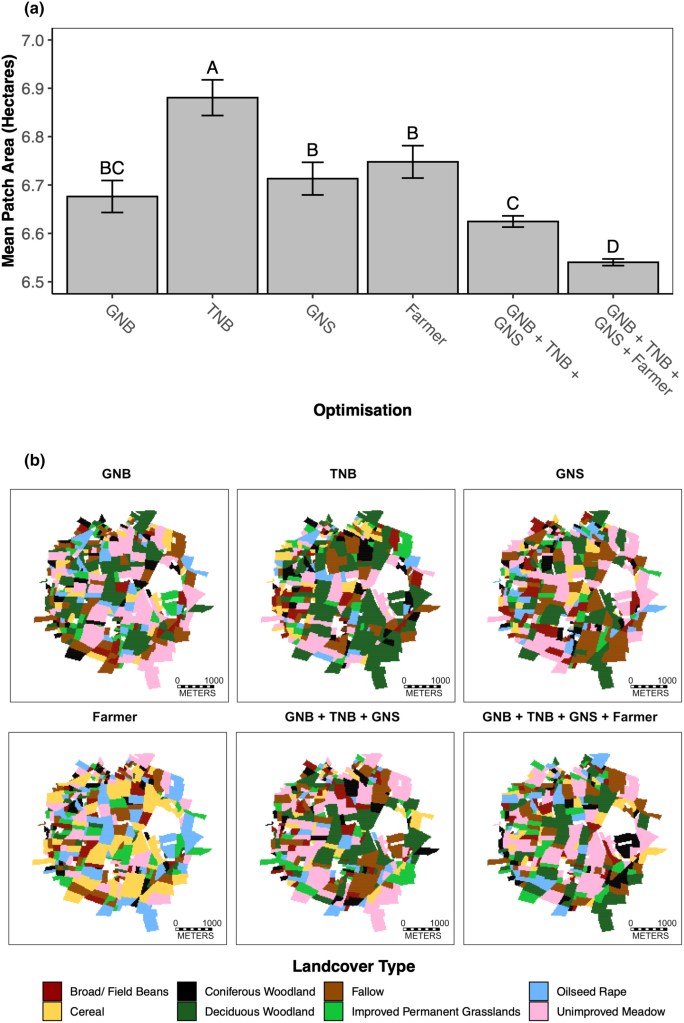
Adapting genetic algorithms for multifunctional landscape decisions: A theoretical case study on wild bees and farmers in the UK – this study explored what farmed landscapes might look like if bees could design them according to their preferences compared to the preferences of farmers or a compromise between everyone’s needs.
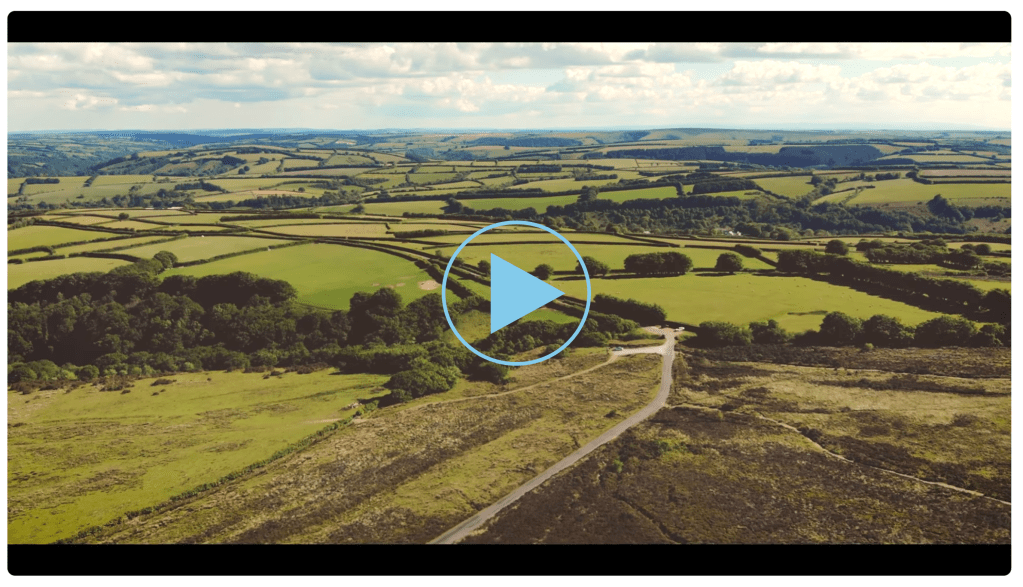
How do we take the needs of other species into account when we make landscape changes – this video explains why and how we co-create *4pop models to support biodiversity-inclusive landscape decision-making.
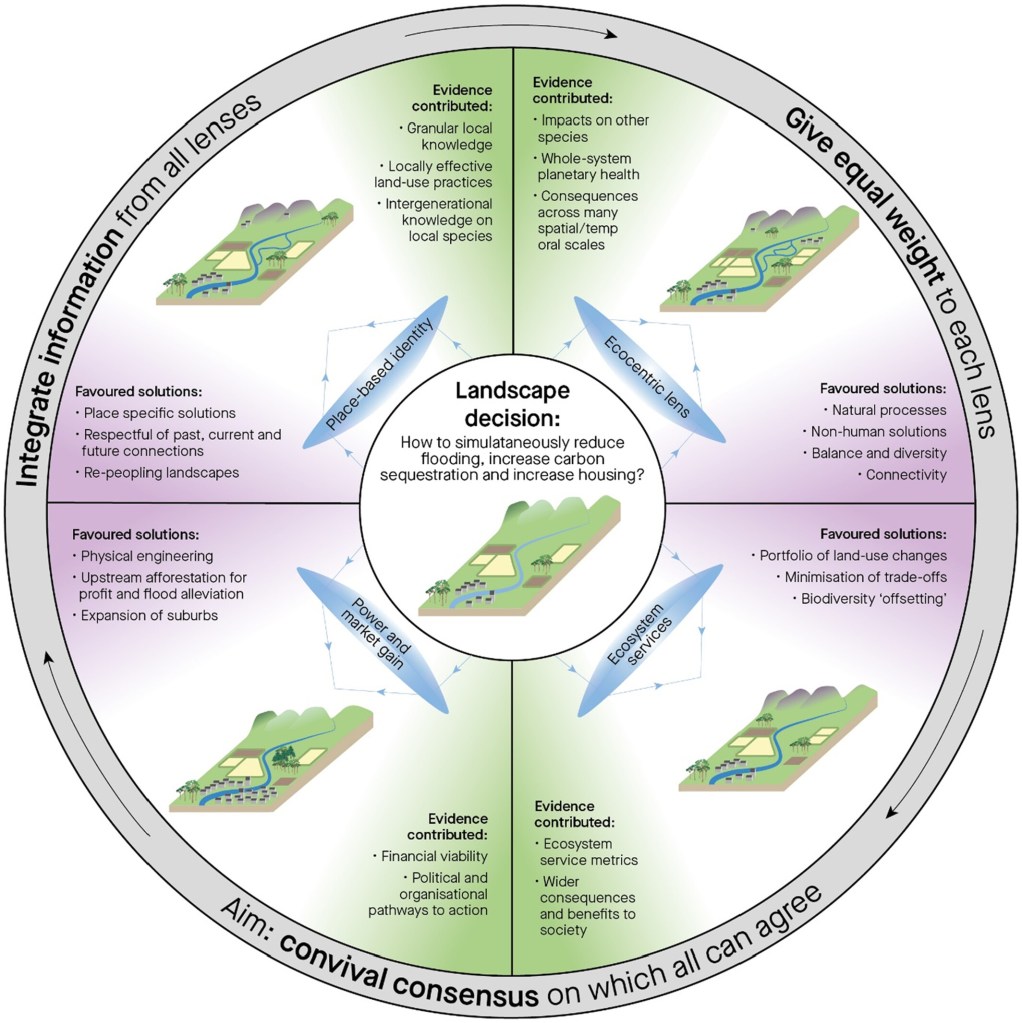
Using a multi-lens framework for landscape decisions – this study explored how different perspectives (‘lenses’) offer different evidence and solutions for landscape decision-making and how we can combine information from multiple lenses, including the more-than-human ‘ecocentric lens’.
Simulating bees on solar parks
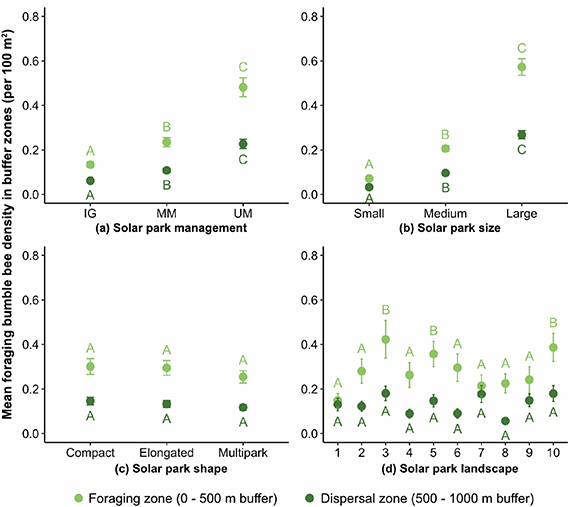
Solar park management and design to boost bumble bee populations – this study explored how the size, shape and management of a solar park is expected to affect bumblebee densities inside the park itself and in adjacent land around the park.
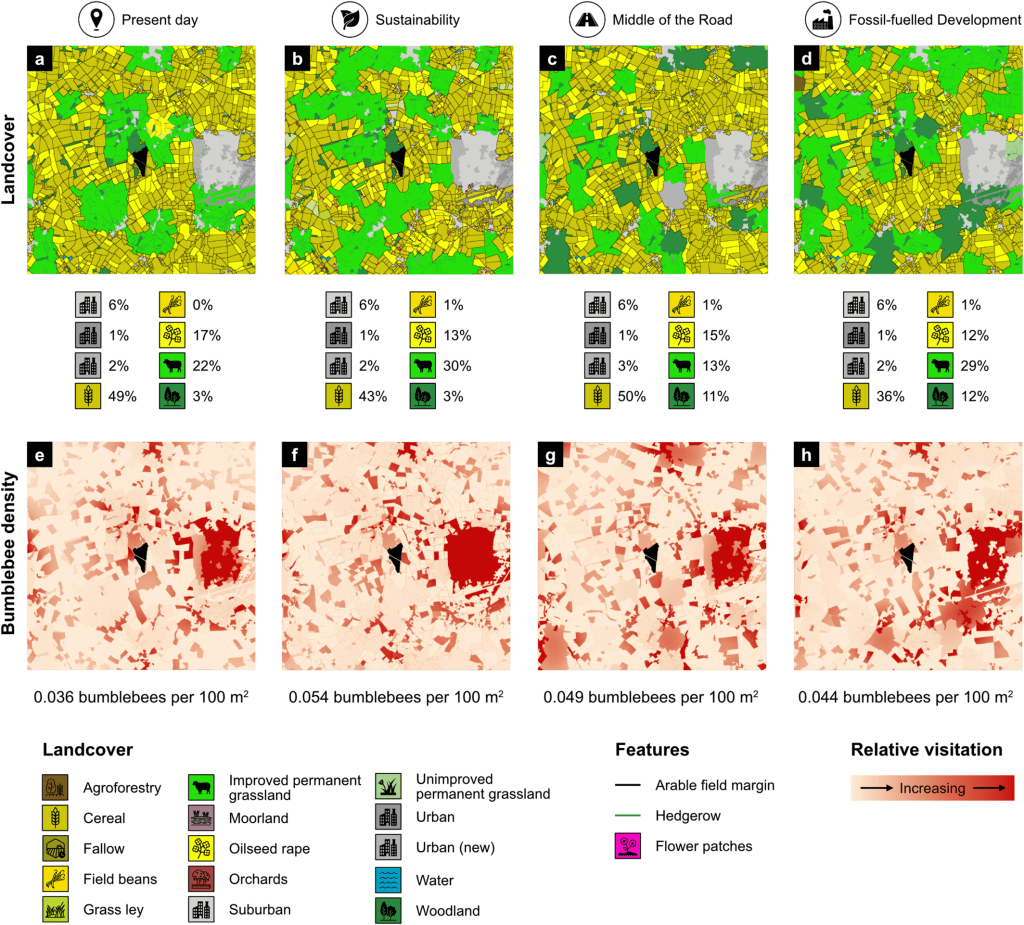
Solar Farms as Potential Future Refuges for Bumblebees – this study explored whether solar parks still have the potential to support bumblebee populations in the context of different future landscape changes around the parks.
Planning
Why biodiversity net gain requires an ecological permission system – this article explored the extent to which England’s current Biodiversity Net Gain approach provides representation for different species’ needs within the English planning system and how this could be strengthened.
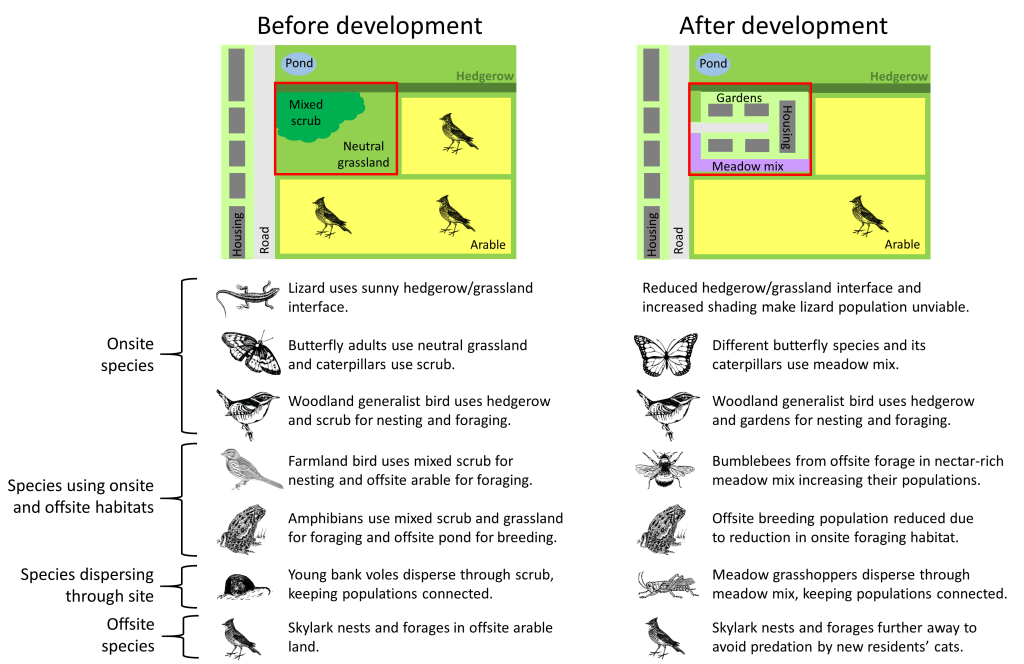

The Parliamentary Office for Science and Technology published a research briefing on Biodiversity net gain, which cited our work, including our recommendation for the creation of a new Ecological Permissions System to sit alongside the existing planning system and ensure more ecologically sensitive decision-making.
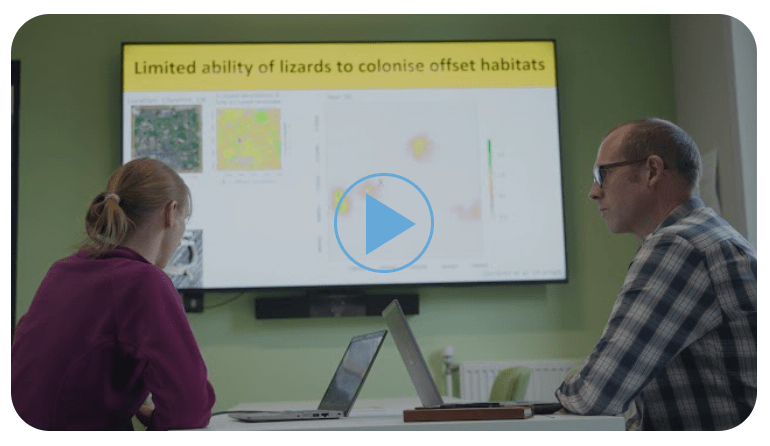
Planning healthy habitats – this video shares our work exploring multispecies placemaking with Adam Sheppard (University of Birmingham).
Podcasts
Nature’s vote – we joined Adam Calo in this episode of his Landscapes podcast to discuss land access from a more-than-human point of view, people-nature relationships, habitats and multispecies communities.
 *4pop models