Working with Defra
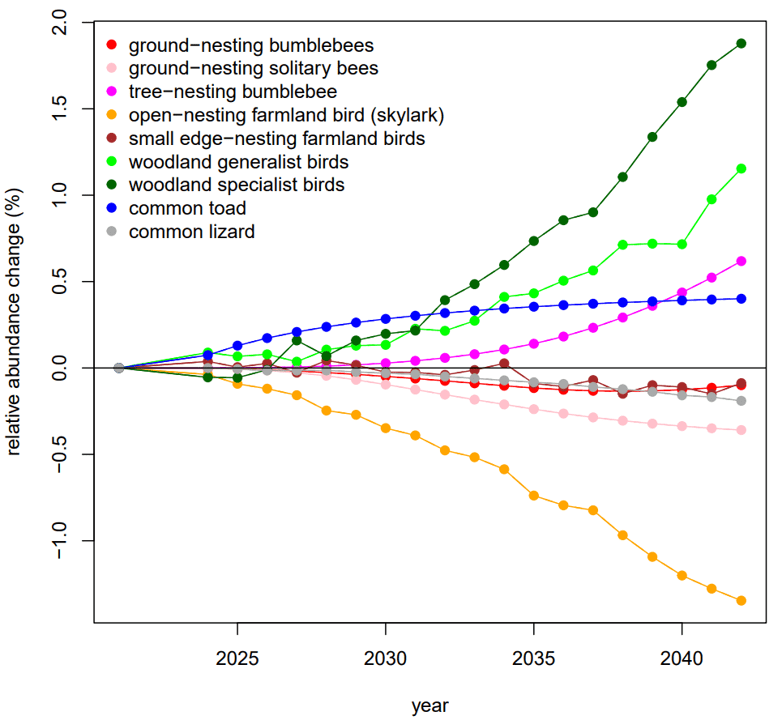
We work with Defra’s evidence teams to investigate how future land use changes might affect biodiversity in England.
We use specially adapted versions of the *4pop models that allow us to account for:
- habitat creation over time
- the time it takes for habitat to mature
- the time it takes for species to colonise habitats
This means we can explore:
- how different amounts and types of habitat creation might affect different species
- the likelihood of meeting the Government’s species abundance target by 2042, accounting for ecological time lags
These are some of the biggest simulations we run with the *4pop models. We use a supercomputer to simulate the relative abundance of over 20 different taxa at 10m resolution across the whole of England for 20 years into the future.
Working with other organisations
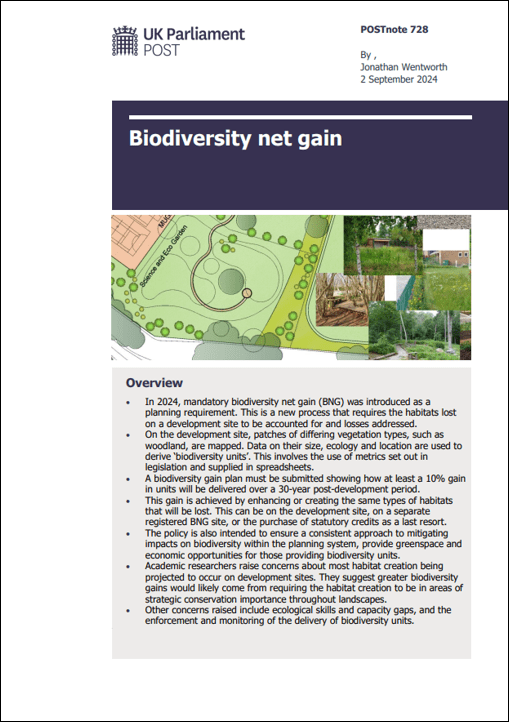
- we worked with the Parliamentary Office of Science and Technology to contribute recommendations for improving Biodiversity Net Gain approaches to their POSTnote on Biodiversity net gain, which is designed to make research accessible to parliamentarians
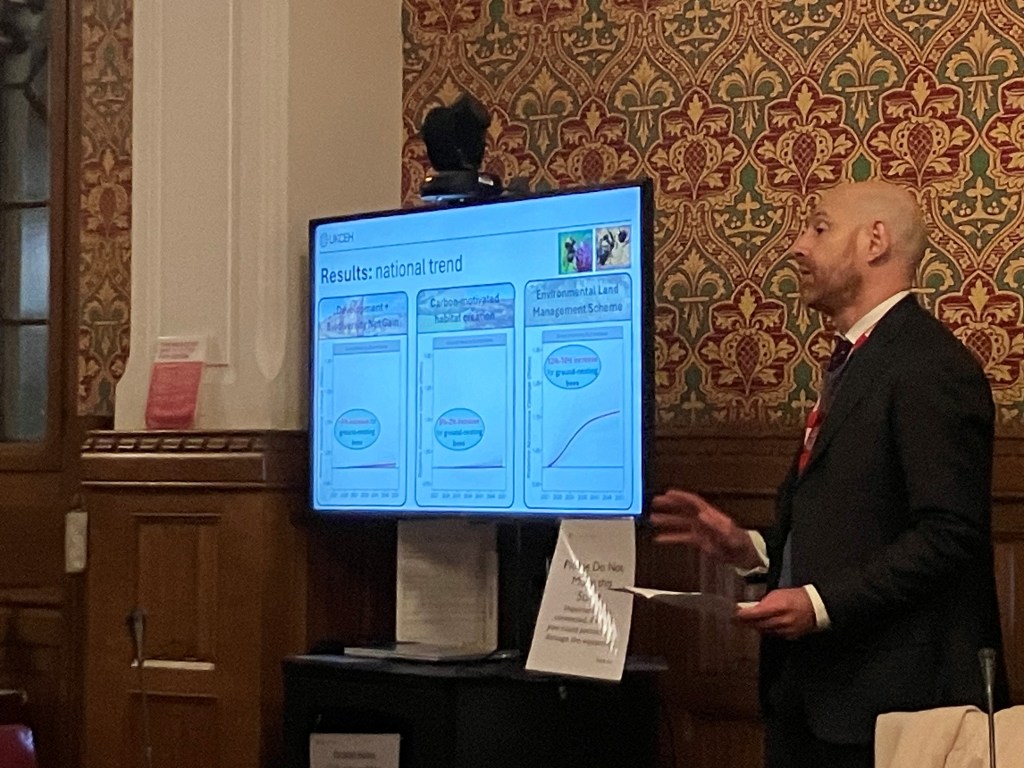
- we worked with the Royal Entomological Society to bring our DRUID project predictions for how wild bees might be affected by current land use policies to the All-Party Parliamentary Group on Bees, Pollinators, and Invertebrates
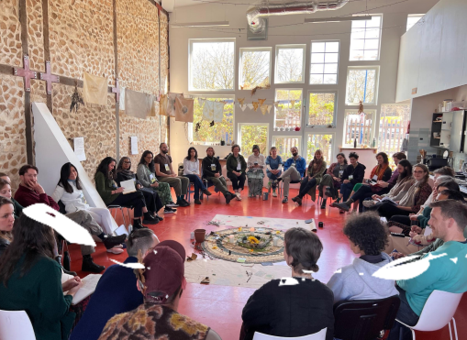
- we worked with Foodrise, Moral Imaginations and Wyrd Futures to help create a more-than-human response to Defra’s 2025 Land Use Consultation, co-writing with Wyrd Futures the species briefings used by members of the Interspecies Council
 *4pop models